50 Autumn Writing Prompts for Cosy Journalling Evenings
Autumn is the season that asks you to slow down. The nights arrive earlier, the kettle goes on more often, and there is a particular quality of quiet in a room lit by a single lamp that makes writing feel possible rather than effortful. The fifty prompts below are built for exactly that: a notebook, a hot drink, and half an hour before bed. Some are reflective, some playful, and a few will take you somewhere you did not expect. Work through them in order, or open the list at random and start wherever your eye lands.
Why Autumn Writing Feels Different
Summer is generous with distractions. Autumn is not. As the evenings draw in, there is less to do outdoors and more reason to sit still, and that shift suits reflective writing better than any other season. The light is low and warm, the sensory details are strong — woodsmoke, wet leaves, cold air on a warm face — and memory tends to surface more readily. Whether you keep a daily journal or write only when the mood takes you, this is a good stretch of the year to fill some pages.
The Prompts
Noticing the Season
Start with what is directly in front of you. Observation is the cheapest writing practice there is.
- Walk to the end of your street and note five things that only look like this in October.
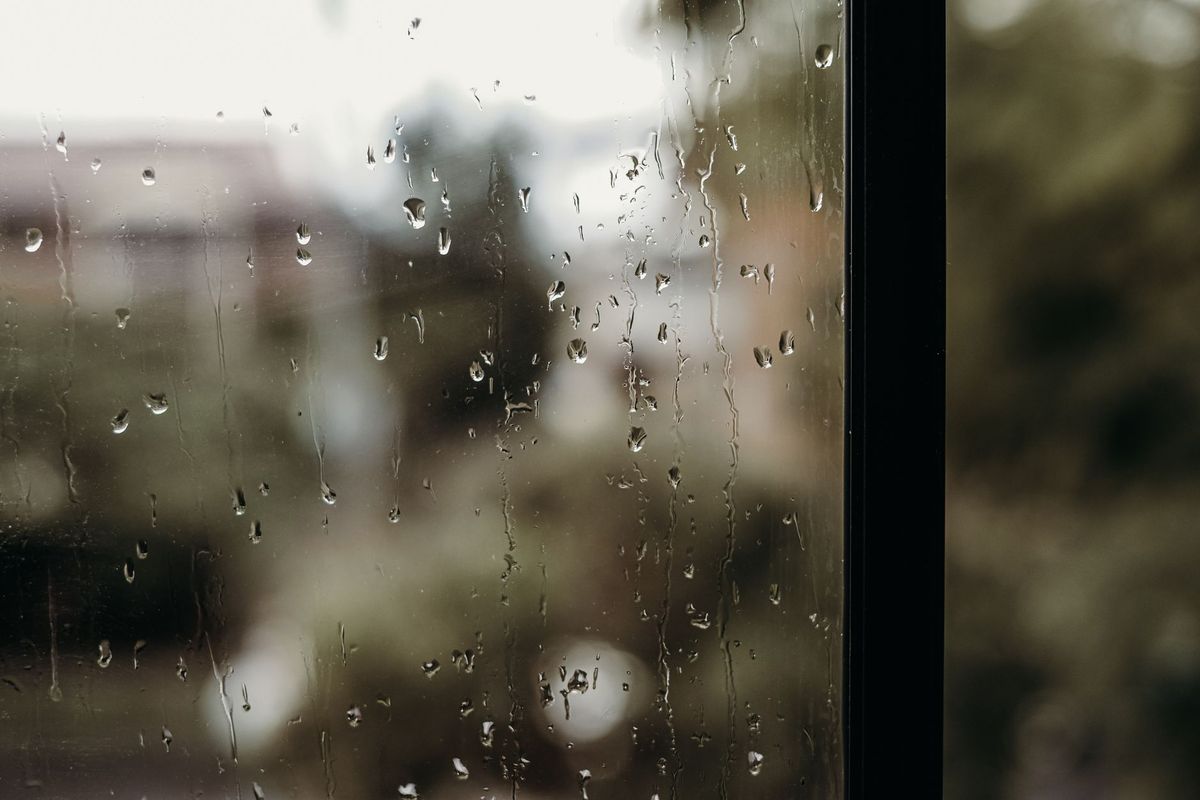
- Describe the sound of rain on your window to someone who has never heard it.
- Choose a tree you pass often and write its biography for the past week.
- Record the exact moment the afternoon light changes, and what it does to the room.
- List the smells of autumn in order of how much you like them.
- Describe a fallen leaf without using the words orange, brown, red or gold.
- Write a weather report for an imaginary town where the seasons behave strangely.
- Note what you wore today and how the temperature shaped your choices.
- Describe the first frost from the point of view of a snail, a forgotten apple or a bicycle seat.
- Write down three sounds you can hear right now, and one you can only imagine.
Memory and the Past
Autumn is full of echoes — school years, old coats, the same walk taken years apart.
- Write about a coat you loved and where it went.
- Describe the walk to school on a dark morning when you were a child.
- What did your home smell of in September when you were growing up?
- Write about a bonfire night, real or invented.
- Recall a meal that only gets made in autumn. Write the recipe as a story.
- Who did you last share an umbrella with? Write down what you remember.
- Write a letter to your past self at the start of a school year.
- Describe a photograph you no longer have.
- Write about the first time you noticed the dark arriving earlier and minded.
- List five things that have changed since this time last year, and one that has not.
Cosy Interiors
These prompts work best by lamplight, with something warm within reach.
- Describe your ideal autumn evening in the present tense, minute by minute.
- What is the warmest corner of your home? Write its inventory.
- Write about a jumper, blanket or pair of socks you reach for every year.
- Describe a soup you would make for someone you love, and why that soup.
- List the small rituals that mark the end of your working day now the nights are dark.
- Write a scene set entirely in a kitchen: two people, no arguing, something on the stove.
- What would you stock in a cupboard for a long winter? Be specific.
- Describe the perfect chair for reading, and the book you would read in it.
- Write about an evening you spent with a hot drink and no plans at all.
- Draft a note to leave for someone who will come home cold.
Creative Fiction Starters
Use these as first lines, or as scenes to write for fifteen minutes and then abandon.
- A village where the leaves never fall until someone tells the truth.
- Write the opening of a story that begins with a power cut.
- A character inherits a house and arrives in November. What do they notice first?
- Two strangers share a train carriage. One is carrying something odd.
- Write a ghost story in which the ghost is helpful.
- A recipe book contains one page written in a different hand.
- Describe a festival in a town that does not exist.
- A detective is called about a missing scarecrow. Write the interview.
- Write a conversation between the last two people awake in a hotel.
- Begin with: "The heating came on for the first time that year, and something in the house relaxed."
Reflection and Letting Go
Save these for a night when you have a little more time and privacy.
- What are you ready to put down before winter? Be concrete.
- Write about something you have outgrown — a habit, a friendship, a version of yourself.
- List three things you are carrying that were never yours to carry.
- Write an honest page about what you are avoiding.
- Describe the year so far in five objects.
- Write about a small thing that went right this week.
- What would you like finished by the end of December? Break it into three steps.
- Write a paragraph beginning: "I am no longer willing to…"
- Write down one thing you want to remember about this particular autumn.
- Write a short letter to your future self, to be opened on the first cold morning of January.
How to Use These Prompts
You do not need to answer every prompt well. You need to answer some of them at all. A few habits make that easier:
- Set a timer for ten minutes. Stop when it rings, even mid-sentence. It keeps the practice light enough to repeat tomorrow.
- Write by hand if you can. Slower writing tends to produce more honest thinking, and it is easier to keep a notebook beside the sofa than to open a laptop.
- Do not edit as you go. Leave the spelling, leave the crossings-out. Tidying is a separate job for a separate day.
- Skip anything that does not land. If a prompt feels flat or intrusive, move to the next one. The list is a menu, not a syllabus.
- Keep one page for loose fragments. Overheard remarks, a line from a book, the name of a street. These often become the start of something better than a prompt would have given you.
If a prompt touches on something difficult — grief, money worries, a relationship that is struggling — let the writing be the end of it, and talk to someone you trust or a qualified professional if it stays with you afterwards. A notebook is a useful place to think, but it is not a substitute for proper support.
Building a Small Evening Ritual
Consistency beats intensity here. Three evenings a week of ten minutes each will give you more pages, and more useful ones, than one long session every few weeks. Anchor the writing to something you already do: after the washing-up, once the children are asleep, or with the last cup of tea of the day. Keep the notebook and a pen in the same spot so there is nothing to fetch and no decision to make.
If you finish the list before the season does, go back through and answer one prompt again from a different angle — the same question in November often produces a completely different page from the one you wrote in September. And if you write nothing at all some weeks, that is fine too. The prompts will still be here when the nights get longer.